
Selecting the Right Smoke Detector for Your Home: An Extensive Guide of Multiple Types
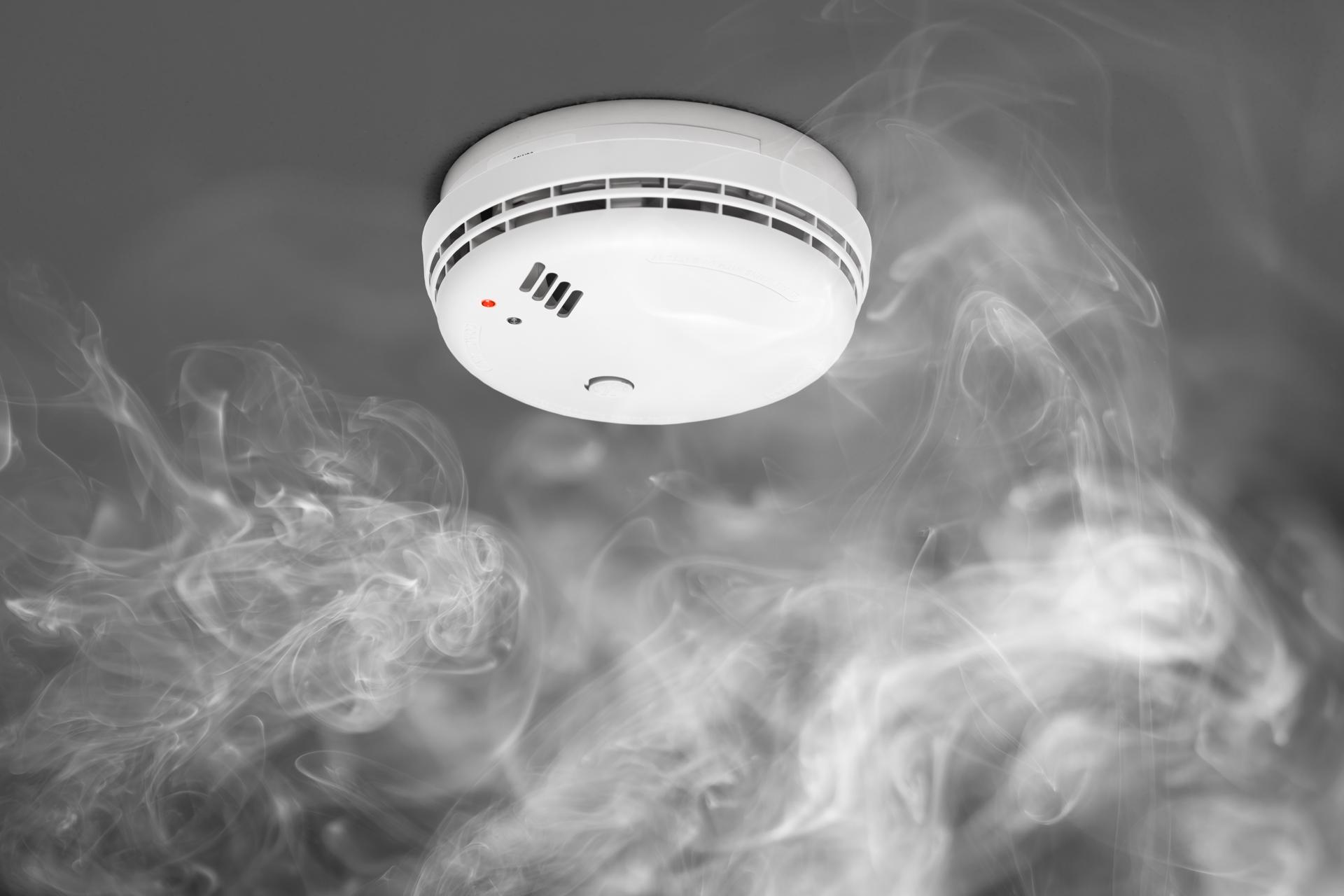
Smoke alarms are an important security feature for any home. They are made to detect smoke or fire and warn you of danger, giving you time to leave your home and to call for assistance. Based on the National Fire Protection Association (NFPA), nearly three out of every five home fire deaths are caused by the fires in homes without smoke alarms or no working smoke alarms. So, it’s crucial to install a functioning smoke alarm in each bedroom, outside all sleeping areas, and on every level of your house, including the basement.
There are several types of smoke alarms{ available|| that are available} for sale, each with each having its own pros and negatives. Understanding the differences between them can help you pick the right one for your home.
Smoke Alarms with Ionization
Ionization smoke alarms use some radioactive material to ionize air inside the alarm. When smoke enters the alarm, it interferes with the process of ionization and causes an alarm sound to be heard. These kinds of smoke alarms are good at detecting fast, flaming fires and generally cost less as photoelectric alarms.
However, ionization smoke alarms are not as effective at deterring slow burning fires. They are also more prone to false alarms from steam or cooking and can cause a lot of frustration for homeowners. Ionization smoke alarms are best employed in areas with none of the cooking equipment, like hallways and bedrooms.
Photoelectric Smoke Alarms
Photoelectric smoke alarms employ an illuminating beam to detect smoke. When smoke enters the alarm and scatters the light, causing it to sound. These kinds of smoke alarms are good at detect slow burning fires, and are less susceptible to false alarms from cooking or steam.
But, photoelectric smoke alarms aren’t as effective in detecting rapid burning fires. They are also generally more expensive than ionization alarms. Photoelectric smoke alarms should be utilized in places that have cooking appliances, for example, kitchens and living rooms.
Dual Sensor Smoke Alarms
Dual-sensor smoke alarms incorporate both ionization and photoelectric sensors to offer the most complete fire detection. They are good at detecting both fast, flaming fires and slow, smoldering fires, and are less prone to false alarms than photoelectric or ionization smoke alarms by themselves.
However smoke detectors with dual sensors are generally more expensive than either ionization or photoelectric smoke alarms on their own. Dual sensor smoke alarms should be employed for areas in which both quick, flaming fires and slow burning fires are possible like bedrooms and living spaces.
Smart Smoke Alarms
Smart smoke alarms are linked to the Wi-Fi network in your home and can send alerts to your phone or any other device when they detect fire or smoke. They also can be integrated to other intelligent home appliances, like smart thermostats, as well as security devices.
Smart smoke alarms are good at providing real-time alerts, even when you’re not at home. They are, however, typically costlier than standard smoke alarms and require a reliable Wi-Fi connection for them to function properly.
What kind of smoke alarm is the best for your home?
When choosing the right smoke alarm for your home, there are a variety of things to consider including the size and design of your house as well as the location of cooking appliances, and your personal preferences. Here are some recommendations in relation to the specifics of your home:
If you have kitchen appliances at home, a photoelectric smoke alarm is the most suitable option as it’s less prone to false alarms caused by cooking or steam.
If the size of your home is greater than a typical home, or is on multiple floors consider installing multiple smoke alarms in order to provide maximum coverage.
If you have relatives who are hard of hearing think about a smoke alarm with a strobe light or vibration feature in addition to the audible alarm.
If you’re interested by the advancement of technology in your home and smoke alarms, a smart one could be the best option for you.
The best kind of smoke alarm to use in your home depends on your personal preferences and needs. Be sure to follow the manufacturer’s guidelines carefully and test your smoke alarms regularly to ensure they are working properly.
Conclusion
Smoke alarms are a vital safety measure for any home. There are several types of smoke alarms{ available|| that are available} in the marketplace, all with their own pros and cons. Ionization smoke alarms are good in detecting fast, flaming fires but are more vulnerable to false alarms triggered by steam or cooking. Smoke alarms that use photoelectric sensors are effective at detecting slow, smoldering fires but are not as effective at detecting fast, flaming fires. Dual sensor smoke alarms combine the ionization and photoelectric sensors for comprehensive fire detection. Smart smoke alarms provide immediate alerts and can be integrated with other smart home devices but generally, they are more expensive. When choosing a smoke alarm to protect your house, take into consideration aspects like the size and layout of your home and the location of kitchen appliances, as well as your personal preferences. Be sure to read the manufacturer’s instructions carefully and check your smoke alarms frequently to ensure that they function correctly.